Unique victimhood
What Russian Foreign Minister Sergei Lavrov's anti-Semitic comments tell us about Russian narratives of victimhood and the war in Ukraine.

On 1 May, in an interview with Italian TV programme Zona Bianca, the Russian foreign minister Sergei Lavrov tried to justify how Russia is allegedly “de-Nazifying” a Ukraine led by Jewish President Volodymyr Zelenskyy. He claimed that “Hitler had Jewish blood” and that “the most ardent anti-Semites are usually Jews.” The reaction to these controversial and shocking claims was instant and fierce. Although the Israeli government had so far taken a back seat in condemning Russian aggression in Ukraine, Israeli foreign minister Yair Lapid called the comments “the lowest form of racism against Jews.” In Ukraine, foreign minister Dmytro Kuleba tweeted that the comments showed how “today’s Russia is full of hatred towards other nations.” While the anti-Semitism of Lavrov’s statement is obvious, underneath it also lies a message of competitive victimhood to heighten the ‘rally round the flag’ effect in Russia.
As a classic form of so-called ‘secondary’ (post-Holocaust) anti-Semitism, Lavrov’s comments blame Jews for the Holocaust. They remove historical responsibility from non-Jewish perpetrators and contemporary responsibility for non-Jews to learn about the Holocaust. They also implicitly perpetuate and reproduce older stereotypes of ‘Jews’ as manipulative and ruthless. Like claims of Holocaust denial, if Jews were allegedly responsible for the Holocaust, this inevitably conjures the anti-Semitic canard of ‘Jewish’ power and control, that they have manipulated public opinion and the media into believing that they were not responsible. In addition, the comments also invoke the old anti-Semitic stereotype of ‘Jewish’ greed – that Jews have dishonestly ‘profited’ from the Holocaust financially (in terms of compensation) and morally (by presenting themselves as the victims and others as perpetrators). Finally, Lavrov’s depiction of Jews as dishonest and responsible for their own suffering might also function to indirectly state that Zelenskyy’s truthful depiction of Russia as the aggressor cannot be trusted.
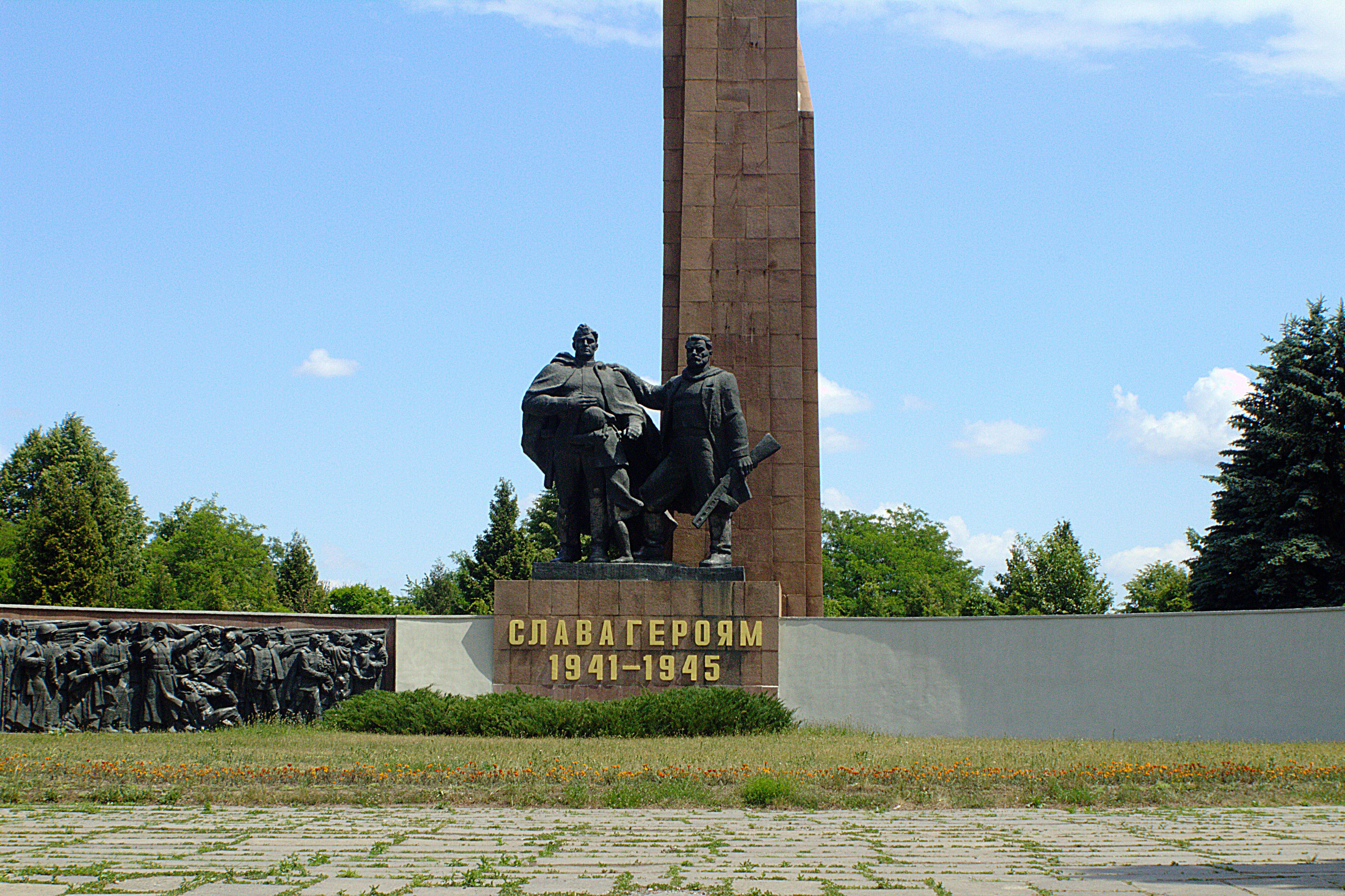
Lavrov’s comments, by blaming Jews for the Holocaust, also remove historical victimhood from Jews by casting them as perpetrators. This is in line with the current regime’s insistence on Russia’s unique claim to victimhood. Vladimir Putin has long emphasised Russian victimhood, whether through the framing of the country as ‘Fortress Russia’ which is besieged and under threat from external forces, or the commemoration of historical victimhood, especially from WWII - notably visible through the annual Victory Day parade on 9 May. On this day, memories of generational Soviet victimhood and mourning coincide, and justify, elaborate military displays to remind Russians that the country is ready to combat perceived aggression. As pointed out by The Guardian, since the beginning of the Russian invasion of Ukraine, the war (or ‘special operation’ as it is known in Russia) has been described using language and imagery reminiscent of WWII, most notably through Putin’s stated goal of “denazification.” Thus, the societal memory of Soviet victimhood during WWII bleeds into a depiction of Russians as the victims of today’s conflict with Ukraine.
Feelings of victimhood have been shown to fuel secondary anti-Semitism, as comparison and competition between different victim groups triggers intolerance. Psychological research has shown that claims to victimhood are often viewed as exclusive by the ingroup in question, known as “competitive victimhood”, and can reduce empathy towards adversaries and unrelated outgroups. In addition, research has also shown that a self-perception of one’s ingroup as victims can reduce feelings of guilt over misdeeds perpetrated by other ingroup members, as, for example, it can be justified as legitimate self-defence. It is thus clear why Russia instrumentalises its historical victimhood for its continued aggression in Ukraine. If attention can be shifted, or even removed, from Jews’ historical victimhood due to their suffering during the Holocaust, then the actual and perceived victimhood of Russia can be the focus and used to legitimise its actions. It is only ironic that a proportionate amount of the suffering which Russia commemorates today and uses to bolster its victimhood happened to Ukrainians or in what is now Ukraine, where Russia is creating new victims every day.
Although Israel’s Prime Minister Naftali Bennett has stated to media that Putin apologised for Lavrov’s comments in a telephone conversation on 5 May, this was not made clear in the Kremlin’s statement. The latter instead reports that the two men “carefully preserved the historical truth” of WWII and that Putin “reminded” Bennett that, of the 6 million Jews who died in the Holocaust, 40% were Soviet citizens. Reporting by Russian state-owned media was careful to emphasise that the apology is in Israel’s version of events. While Putin likely does not want Israel to turn on Russia, he will want to maintain Russia’s ‘unique’ claim to victimhood internally in time for 9 May and beyond.